
Asura: A Deep Dive into Modern Japanese Family Life
Advertisements
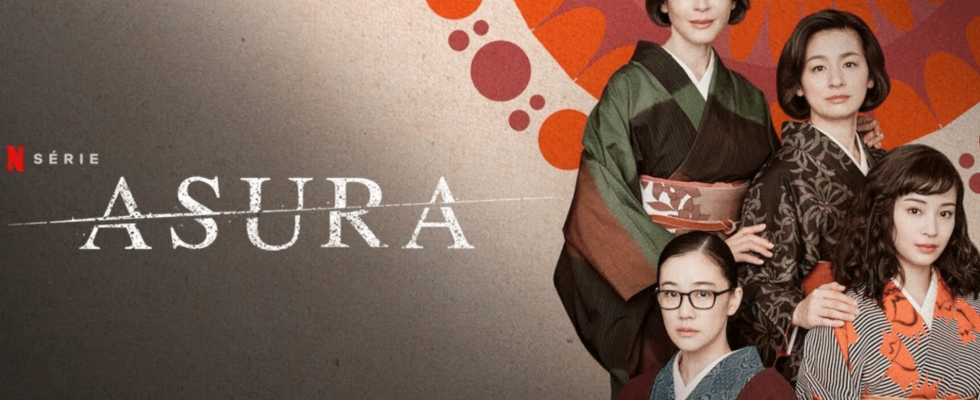
The breathtaking film “Asura”, created by the renowned Hirokazu Kore-eda, stands as a testament to the power of storytelling in its poignant exploration of familial ties. This compelling drama revolves around four sisters whose lives unravel after the shocking revelation of their father’s infidelity. What follows is a heartfelt journey that invites us to reflect on the very foundation that holds families together.
Crafting a Rich Narrative
Kore-eda weaves his narrative with a level of artistry that captivates the viewer, revealing the intricate layers of each character’s complexity. The sisters’ discovery of their father’s betrayal functions not merely as a plot twist but as a springboard for deeper inquiries about trust, forgiveness, and the multifaceted nature of familial love. The varied reactions of each sister to this painful truth showcase their unique personalities and transformative journeys, reminding us all of our humanity.
Directorial Brilliance and Visual Poetry
Staying true to his contemplative and naturalistic style, Kore-eda employs extended takes and meticulously crafted compositions to draw our attention to the subtle nuances of human interaction. His camera feels like a silent family member, framing intimate moments with a sense of respect and tenderness. The soft hues and gentle lighting envelop the audience in an atmosphere that resonates with quiet sorrow, a signature element in the director’s cinematic palette.
Exploring Profound Themes
“Asura” transcends its narrative of betrayal, diving deep into themes of human connection and the intricacies of family dynamics. Loyalty is dissected from multiple angles—between partners, parents, and siblings. Rather than offering neat resolutions, the film presents forgiveness as a winding and deeply personal journey. Additionally, Kore-eda subtly underscores the societal expectations placed on families and the evolving roles of women in contemporary Japan, enriching the narrative’s contextual landscape.
Rich Performances and Character Journeys
The performances resonate with authenticity, steering clear of melodrama to create genuine, relatable characters. Each sister is vividly portrayed with her own trials and aspirations, inviting the audience to empathize with their struggles. Even in his absence, the father looms large in the emotional landscape of the film, shaping the daughters’ experiences and memories.
Shining Moments
The greatest strength of “Asura” is its ability to elevate an everyday scenario into a profound meditation on the human experience. Kore-eda skillfully sidesteps simplistic moral conclusions, instead opting to reveal the complexity of emotions with raw honesty. The building emotional tension is expertly crafted, leading to moments of catharsis that feel utterly authentic and deeply earned.
Final Thoughts
“Asura” not only showcases Hirokazu Kore-eda’s mastery in creating familial narratives that resonate beyond cultural borders, but it also serves as a rich exploration of the connections that shape our identities. This film is a must-see for fans of modern Japanese cinema and those who appreciate in-depth character explorations over conventional storytelling tropes. With its nuanced direction, heartfelt performances, and sophisticated themes, “Asura” proudly stands out as yet another remarkable entry in Kore-eda’s incredible filmography, solidifying his status as an astute observer of the human condition.
The film’s genuine storytelling, poignant performances, and thoughtful engagement with complex issues make “Asura” a standout work in Kore-eda’s acclaimed portfolio, reinforcing his position as a profound chronicler of the human spirit in today’s cinematic landscape.